

Understanding Topographical Surveys London
Topographical surveys are crucial tools for anyone engaged in land development, construction, or urban planning. In London and Surrey, these surveys provide detailed insights into the terrain, facilitating a range of projects from residential buildings to expansive commercial developments. By utilising advanced surveying techniques, our expert teams offer precise data that informs planning and decision-making. When exploring options, Topographical surveys london provides comprehensive insights that are essential for the success of your project.
What is a Topographical Survey?
A topographical survey, also referred to as a land survey, topo survey, or terrain survey, involves the detailed mapping of both natural and man-made features of a specific parcel of land. This includes elevation changes, trees, buildings, roads, and water bodies. The output is a comprehensive map that showcases the physical characteristics of the land, allowing architects, planners, and engineers to make informed decisions about construction and development projects.
Key Features of Topographical Surveys
- Detailed Mapping: Captures all significant features of a site, including contours, boundaries, and existing structures.
- Precision: Utilises high-grade equipment to achieve accuracy, often down to centimetre-level measurements.
- Comprehensive Data: Provides essential information for planning and can include aspects such as drainage points and potential flood zones.
Different Applications Across Industries
Topographical surveys are applicable in various sectors including:
- Construction: Essential for planning new builds and renovations.
- Infrastructure: Used in the design of roads, bridges, and utility networks.
- Environmental Management: Helps in assessing potential environmental impacts of proposed developments.
The Importance of Topographical Surveys for Your Project
Obtaining a topographical survey is a pivotal step in ensuring the success of any development project. This survey serves not only as a foundation for design but also as a safeguard against various potential issues.
Why You Need a Topographical Survey
A topographical survey provides critical data that architects and engineers rely on to design structures that harmonise with the existing landscape. Accurate information about land features and ground elevations can prevent costly modifications during construction.
Identifying Potential Site Issues
Topographical surveys help identify constraints such as unstable ground or flood-prone areas, enabling better risk management. This proactive approach ensures that potential hazards are addressed before they become significant problems, enhancing site safety.
Compliance with Planning Requirements
Many local authorities in the UK require a topographical survey as part of the planning application process. This ensures that proposed developments are suitable for the land and comply with all regulations, thus facilitating smoother approvals from governing bodies.
Advanced Equipment Used in Topographical Surveys
Modern topographical surveys are conducted using state-of-the-art equipment that enhances accuracy and efficiency.
Total Station Instruments Explained
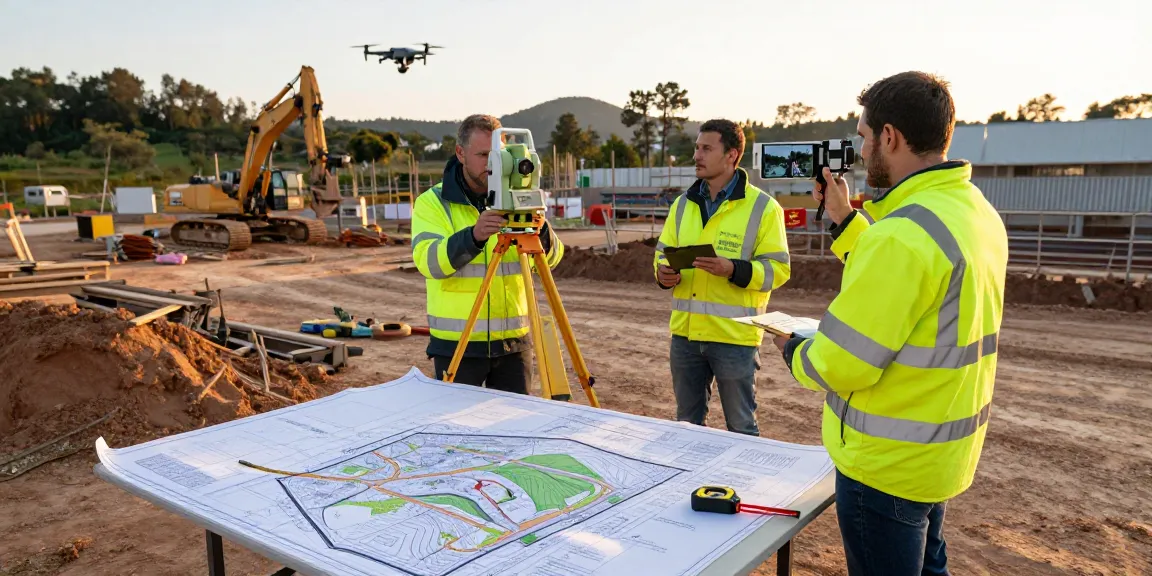
Total station instruments combine electronic distance measurement (EDM) with angular measurements. These devices are integral for collecting accurate data on distances and angles on-site, making them essential for detailed mapping.
Benefits of Using 3D Laser Scanners
3D laser scanners, or LiDAR technology, offer the ability to capture complex terrain features quickly and accurately. By collecting millions of data points per second, these instruments create detailed three-dimensional models that are invaluable for intricate site analysis.
The Role of Drones in Modern Surveys
Unmanned Aerial Vehicles (UAVs), commonly known as drones, are revolutionising the way surveys are conducted. Equipped with high-resolution cameras and sophisticated software, drones can easily survey hard-to-reach areas, providing a comprehensive aerial overview of the land.
Cost Considerations for Topographical Surveys London
Understanding the costs associated with topographical surveys is crucial for budget planning. Prices can vary significantly based on multiple factors.
Factors Influencing Survey Pricing
Key factors impacting the cost of topographical surveys include:
- Site Size: Larger plots typically require more time and resources to survey.
- Complexity of the Terrain: Sites with challenging landscapes may incur higher costs due to the need for more advanced surveying techniques.
- Required Deliverables: More detailed reports or specific data formats can increase pricing.
Typical Cost Ranges for Different Projects
As a rough guide, small residential topographical surveys may range from £450 to £750, whilst larger commercial or infrastructure surveys can exceed £1,500. It’s essential to obtain quotes tailored to your specific project needs.
How to Get a Competitive Quote
To secure a fair price for your topographical survey, contact multiple surveyors, provide detailed information about your site, and compare their offerings. Always look for fixed-price quotes with no hidden fees to avoid surprise expenses later on.
Choosing the Right Surveyor for Your Needs
Selecting a qualified topographical surveyor is paramount to the success of your project. The right professional will ensure that you receive accurate and reliable data.
What to Look for in a Topographical Surveyor
Key considerations when selecting a surveyor include:
- Experience: Look for surveyors with a proven track record in your type of project.
- Accreditations: Ensure they are certified and insured, which reflects their professionalism.
- Local Knowledge: Familiarity with local regulations and terrains can greatly benefit your project.
Questions to Ask Before Hiring
Before hiring a surveyor, ask about their methods, the technology they use, and how they handle data management. Understanding their process can give you confidence in their capabilities.
How Local Knowledge Benefits Your Project
Surveyors with local knowledge can provide insights into specific site conditions, potential legal issues, and the best practices for navigating local regulations. This expertise can ultimately save time and money.
What are the standard deliverables of a topographical survey?
Standard deliverables typically include detailed maps with contour lines, a description of the terrain, and data regarding the location of features such as buildings and trees. Additional deliverables can be created based on project requirements.
How long does a topographical survey typically take?
The duration of a topographical survey can range from a few days to several weeks, depending on the site size and complexity. Factors such as weather conditions and equipment availability may also affect the timeline.
Are there any legal requirements for topographical surveys?
While there are no specific legal requirements for all surveys, many planning applications within the UK necessitate a topographical survey to demonstrate compliance with local planning regulations.
What industries commonly require topographical surveys?
Industries such as construction, environmental management, and civil engineering frequently rely on topographical surveys. Each sector utilises the data for various applications including design, planning, and environmental assessments.
How can topographical surveys support sustainable development?
Topographical surveys can enhance sustainable development by providing accurate data that fosters environmentally responsible decisions. By understanding the terrain and its characteristics, developers can design projects that minimise disruption to the land and its ecosystems.
